01 — About
Op. Dr. Bahadır Çelik: individual assessment in breast aesthetics
Learn about his training, specialist background and why anatomy, informed consent and structured follow-up are considered together in breast surgery planning.
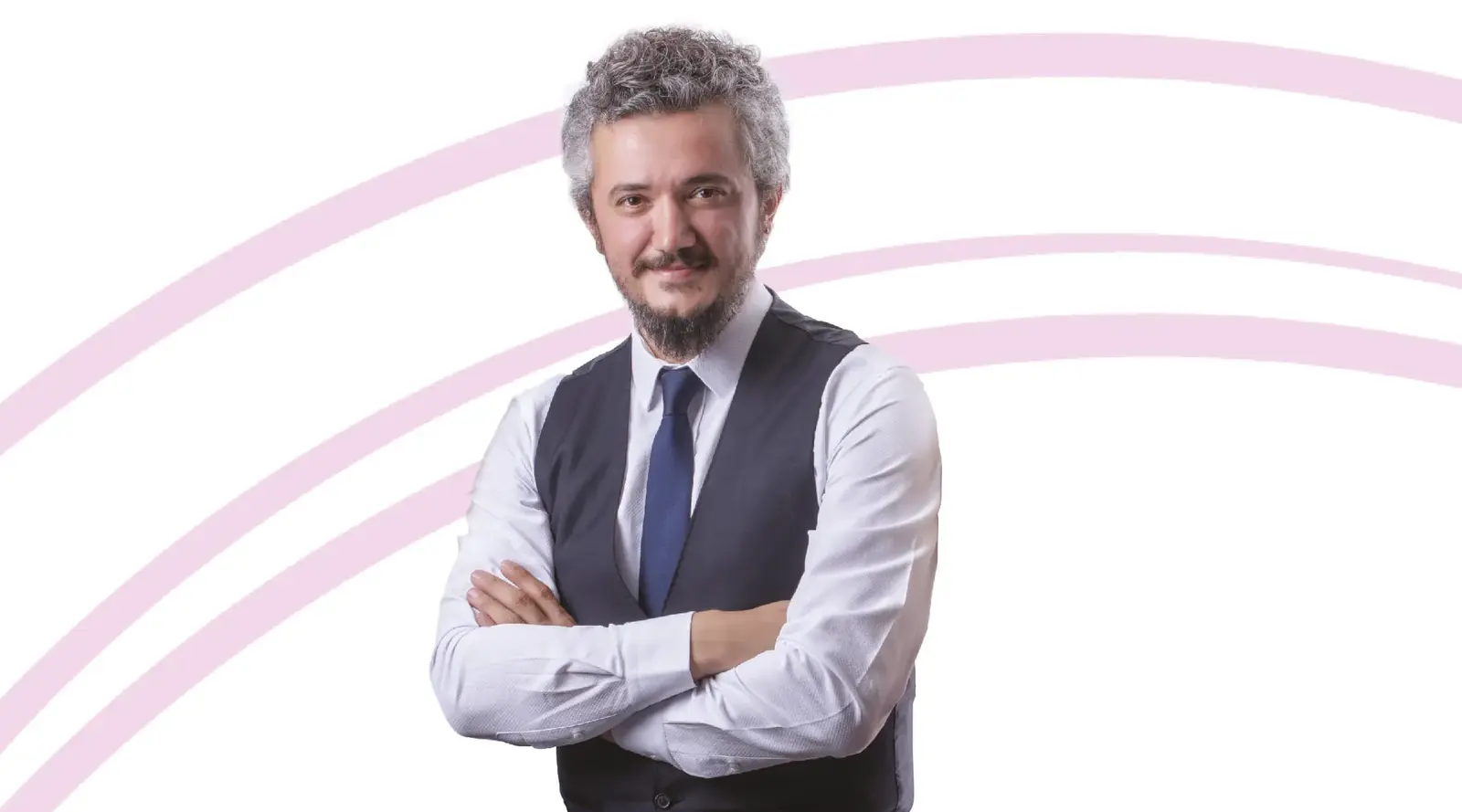
Op. Dr. Bahadır Çelik · Antalya
Training and specialist background
Op. Dr. Bahadır Çelik is a specialist in Plastic, Reconstructive and Aesthetic Surgery. Before studying medicine, he attended Kuleli Military High School. He graduated from Gülhane Faculty of Medicine and completed his specialist training in plastic surgery at Ankara University Faculty of Medicine. He currently holds an academic post as an assistant professor at Antalya Bilim University and evaluates patients at his clinic in Antalya.
These qualifications represent more than a list of institutions. Plastic surgery requires an understanding of anatomy, tissue circulation, wound healing, reconstruction and aesthetic proportion. In breast surgery, appearance cannot be separated from breast tissue, the skin envelope, nipple position, the chest wall, previous operations and general health. Each of these elements can change what is appropriate, what is technically possible and how recovery should be organised.
Why a separate website dedicated to breast aesthetics?
Breast aesthetics is not one operation. Breast augmentation, breast lift, breast reduction, correction of asymmetry, implant exchange or removal and gynecomastia surgery address different findings. The main concern may be lack of volume, excess skin, physical symptoms associated with breast weight, an implant-related issue or a structural difference between the two sides. More than one concern may be present at the same time.
Antalya Breast Aesthetics was created to explain these distinctions without promotional shortcuts. Its purpose is not to persuade visitors to have surgery. It is designed to help people prepare for consultation, ask useful questions and understand why general information cannot replace an individual examination. You can compare the full range of breast procedure information and explore planning and recovery topics in the patient information centre.
What is assessed during a breast surgery consultation?
A consultation is not limited to asking which operation a person wants. The discussion includes the specific concern, the desired change, pregnancy and breastfeeding history, weight fluctuation, smoking, regular medication, breast imaging and any previous surgery. Examination may consider base width, tissue thickness, skin elasticity, asymmetry, the relationship between the nipple and the inframammary fold, and characteristics of the chest wall.
Possible approaches and alternatives can then be compared. An implant adds volume but does not reliably correct substantial excess skin on its own. A lift can reposition the nipple and reshape existing tissue, but it is not the same as a large increase in volume. Reduction removes planned amounts of tissue and skin. Implant revision requires assessment of the device, capsule and surrounding tissues as well as the desired new shape. The plan therefore comes from the complete assessment, not from a photograph, a cup size or one measurement.
Expectations, limitations and shared decisions
Responsible planning explains limitations as clearly as potential benefits. Bodies do not heal identically. Scars, swelling, tissue behaviour and final shape vary between individuals. Perfect symmetry, a guaranteed bra size, scar-free surgery or a result that will never change cannot be promised. Ageing, gravity, pregnancy, breastfeeding and weight changes can continue to affect the breasts after an operation.
In Dr Çelik’s approach, the decision is made through a structured conversation between patient and surgeon. Goals are heard, while medical suitability, alternatives, incision and scar patterns, recovery, relevant risks and long-term responsibilities are discussed in plain language. When implants are considered, planning includes more than volume: base width, profile, tissue coverage and future surveillance are also relevant. Choosing not to proceed, or allowing more time before deciding, remains a valid outcome of consultation.
Safety and follow-up are part of the operation
Surgical safety begins before the day of surgery. Medication management, the effect of nicotine on healing, appropriate tests, anaesthetic assessment, the authorised healthcare facility, discharge arrangements and the need for a responsible adult are considered in advance. Depending on the procedure, discussion may include bleeding, infection, wound and scar problems, altered sensation, asymmetry, circulation problems, venous thrombosis and the possibility of further surgery.
After surgery, each patient receives instructions for dressings, support garments, showering, sleep, arm movement, driving, work and exercise. Early reviews help assess wounds, swelling and general recovery. Patients are also told which unexpected symptoms require prompt medical assessment rather than waiting for a scheduled appointment, such as breathing difficulty, chest pain, rapidly increasing one-sided swelling, high fever or pain that is not controlled as expected.
Planning for patients travelling to Antalya
For patients coming from another city or country, flight and hotel dates should not determine the medical plan. A remote preliminary conversation can help gather information and discuss a possible travel window, but final suitability and technique are established after in-person examination. Assessment, tests, surgery, discharge and early review belong to one continuous safety plan. The appropriate timing of the return journey, swimming, sun exposure, sport and longer travel depends on the operation and the findings at follow-up.
Our information standards
This website provides general health information. Another patient’s photograph, review or social media post cannot predict an individual result. Patient privacy and health data are protected; the site avoids guarantees, unsupported “best” claims and campaign language that encourages a rushed decision. Articles include medical review information and are updated when required.
To discuss your circumstances, previous surgery records or a visit to the clinic in Antalya, use the contact and consultation page. Online material cannot diagnose a condition or create a personal surgical plan. Final advice requires a medical history, examination and any investigations considered appropriate.
Approach to breast surgery
The right indication matters more than the procedure name.
Augmentation, lift, reduction, asymmetry correction, implant revision and gynecomastia surgery address different needs. The appropriate option can only be determined by considering examination, health history, goals and recovery together.
Treatments↗Clear information
Expected change is discussed together with limitations, alternatives, scars, risks and long-term responsibilities.
Individual planning
Planning begins with medical history, anatomy, tissue characteristics and realistic goals rather than the name of an operation.
Responsible follow-up
Preparation, surgery, discharge, aftercare and review appointments form one continuous safety plan.
05 — Contact
Turn a general question into a personal assessment.
Send your information request and our team will contact you during working hours to arrange the appropriate consultation option.